
19. March 2026
Is Minecraft Bad for Children? What Parents Should Know
Minecraft is one of the most popular games in the world, but many parents wonder whether it’s helping or harming their child’s development.
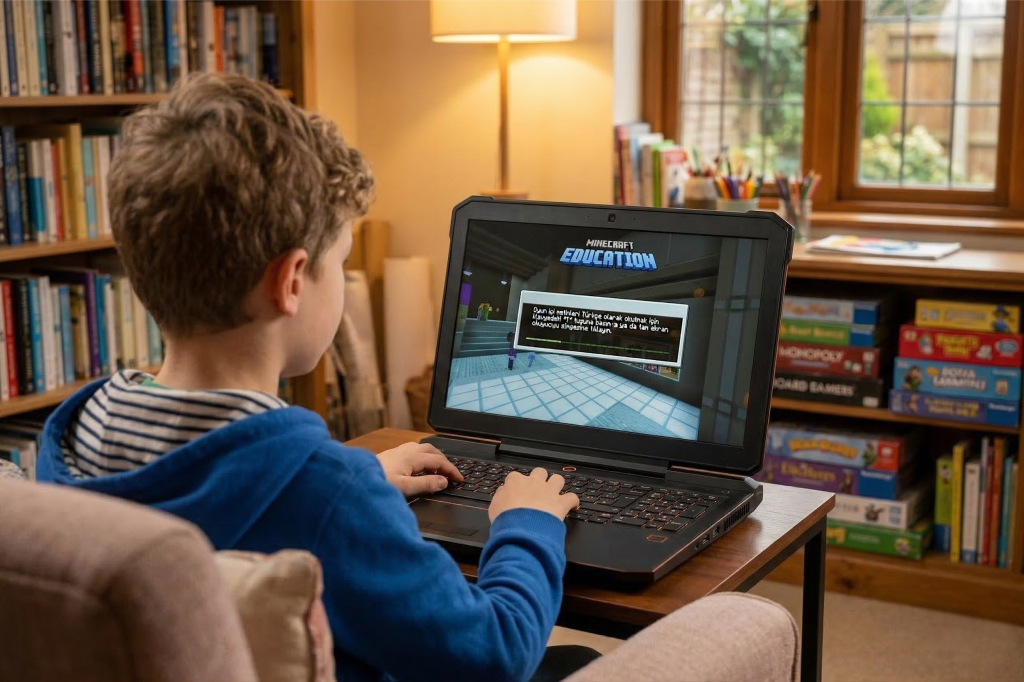
Minecraft is often seen as “just a game,” but in reality, it can offer much more - depending on how it is used.
Like any digital platform, Minecraft has both benefits and potential downsides. The key is understanding the difference between unstructured gameplay and purposeful, guided use.
The benefits of Minecraft
When used well, Minecraft can support a range of important skills.
Children are able to:
- build and design their own creations
- explore problem-solving and planning
- develop creativity and imagination
- collaborate with others on shared projects
It encourages open-ended thinking, allowing children to experiment, test ideas and learn through trial and error.
The concerns parents often have
Many concerns around Minecraft are completely valid.
These can include:
- too much screen time
- online safety and interactions
- lack of structure or purpose
- difficulty managing time spent playing
Without guidance, Minecraft can become just another game where children spend long periods passively engaged.
The difference: how Minecraft is used
The biggest factor is how Minecraft is used.
When children are supported with clear goals, challenges and boundaries, Minecraft can become a powerful learning tool rather than just entertainment.
For example, children might:
- design and build structures with specific criteria
- solve challenges within a set scenario
- work collaboratively to complete tasks
- reflect on and improve their designs
This turns gameplay into something more structured, purposeful and educational.
What is Minecraft Education?
Minecraft Education is a classroom-based version of the game designed specifically for learning.
It includes:
- a safe, closed environment
- teacher controls and monitoring
- structured lessons and challenges
- collaborative learning opportunities
This version removes many of the risks associated with open online play, while keeping the creativity and engagement that children enjoy.
Finding the right balance
Minecraft doesn’t need to be “good” or “bad” - it depends on how it fits into a child’s overall learning and play.
A balanced approach might include:
- combining screen-based activities with hands-on learning
- setting clear time limits
- encouraging purposeful use rather than passive play
- supporting collaboration and discussion
When used in this way, Minecraft can become part of a broader learning experience that supports creativity, confidence and problem-solving.
A more structured approach
At Young Innovators, Minecraft Education is used as part of a wider STEAM programme that combines technology with hands-on activities, design challenges and collaborative learning.
The focus is not just on playing, but on creating, problem-solving and working together - helping children develop skills that go beyond the screen.
Interested in learning more?
If you’re a school or parent interested in STEAM holiday camps or enrichment programmes, you can find more details here: https://younginnovators.education
For enquiries, feel free to get in touch at: contact@younginnovators.education